

A Guide To Silk For Hair Care
Yes, silk is good for your hair. Because silk is a smooth, natural protein fibre, it reduces the friction that causes breakage, frizz and split ends, and it helps your hair hold onto its natural moisture while you sleep. As silk specialists with over 20 years’ experience, we are asked...A Guide To Silk For Hair Care
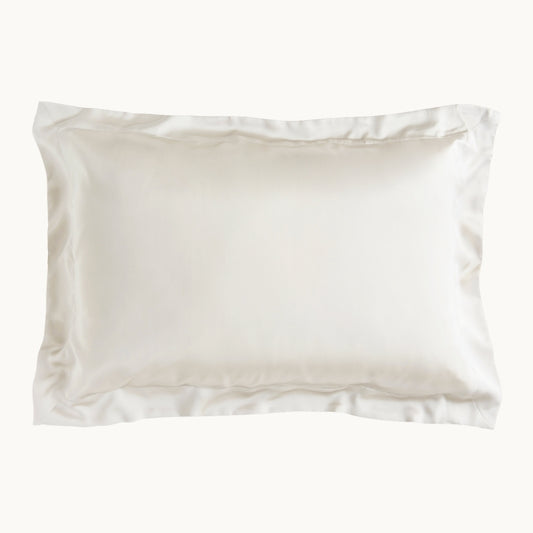
Updated on 16 July 2026Yes, silk is good for your hair. Because silk is a smooth, natural protein fibre, it reduces the friction that causes breakage, frizz and split ends, and it helps your hair hold onto its natural moisture while you sleep. As silk specialists with over 20 years’ experience, we are asked about silk for hair more than almost anything else, so this guide explains exactly how it works, which silk products help, and how to choose the right one for your hair. If you want the simplest place to start, explore our silk pillowcases.
You have probably seen silk pillowcases, turbans and hair wraps across your feeds, and no, they are not just another influencer trend. Sleeping on silk is a genuinely gentle way to protect your hair, whatever your hair type. Below we explain why silk works, cover the full range of silk hair accessories, and help you choose between them.
Table of contents
- Is silk good for hair?
- Why silk is recommended for hair
- What is silk protein, and what does it do for hair?
- Will silk help my hair type?
- Silk pillowcase benefits for hair
- Silk hair accessories: turbans, scrunchies and hair wraps
- Silk pillowcase or silk turban: how to choose
- Does sleeping on silk help hair growth?
- How to get the most from silk for hair
Is silk good for hair?
Silk is good for hair, and the reason comes down to friction and moisture. Ordinary cotton pillowcases have a slightly rough surface that grips the hair as you move in the night, and that friction is what leads to breakage, tangles, frizz and split ends. Silk is different. Its smooth, continuous fibres let your hair glide rather than snag, so there is far less mechanical stress on each strand. Research summarised by the Textile Research Institute has shown there is lower friction between silk and hair than between cotton and hair, which is the mechanism behind most of silk’s hair benefits. On top of that, silk absorbs less moisture than cotton, so it helps your hair keep its natural oils and hydration rather than drying out overnight. The result is smoother, calmer, better-protected hair in the morning. For the easiest way to feel the difference, a silk pillowcase is the place to begin.
Why silk is recommended for hair
Beauty editors often describe silk for hair as a beauty-sleep essential, and for good reason: it can extend the life of a blow-dry, help prevent split ends and keep bed head under control. The reason silk is recommended over cotton is simple. Silk lets your hair and skin move smoothly across the surface without absorbing your hair’s natural moisture, so you wake with your style largely intact and your hair better hydrated. It is a small change to your routine that works quietly every single night.
What is silk protein, and what does it do for hair?
Silk is a natural fibre, and it contains useful proteins long associated with helping hair look and feel healthier. It is rich in several of the amino acids needed to produce keratin, the structural protein that hair is largely made of. Silk also naturally contains sericin, a protein known for its smoothing and moisture-binding properties. While a pillowcase works mainly through reduced friction rather than by feeding protein into the hair, silk’s protein-rich, smooth-fibre nature is a large part of why it is so gentle on strands, helping to protect the hair’s surface, support its elasticity and keep it smooth. For a deeper look, see our guide to the benefits of silk protein for hair.
Will silk help my hair type?
One of the best things about silk for hair is that it suits every hair type. Whether your hair is curly, coily, textured, fine, thick or straight, silk reduces the friction and moisture loss that cause damage, so everyone stands to gain.
If you are part of the curly hair club, silk is especially worthwhile. A silk pillowcase for curly hair helps curls glide rather than snag, so they keep their shape and definition instead of being flattened or frizzed overnight, and it helps textured and coily hair hold onto the moisture it needs. This is what makes silk for curly hair and natural hair so valuable. Silk is also a smart choice for chemically or colour-treated hair, which is more fragile and benefits from every bit of reduced friction. For more, see our guide to the best pillowcases for curly hair.
If your hair is fine or prone to tangles, silk’s smooth surface helps prevent the knots and flyaways that come from friction. If it is thick or frizzy, silk helps keep it calm and smooth. And if your hair is naturally straight, silk helps preserve your style by stopping your hair from rubbing against a rougher fabric while you sleep. Whatever your hair type, the principle is the same: less friction, more moisture, healthier-looking hair.
Silk pillowcase benefits for hair
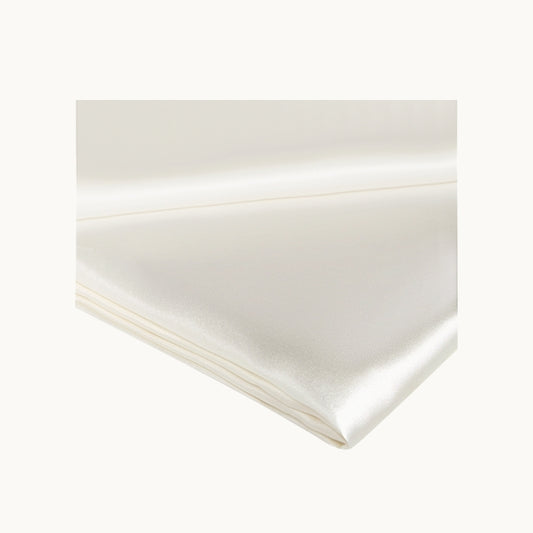
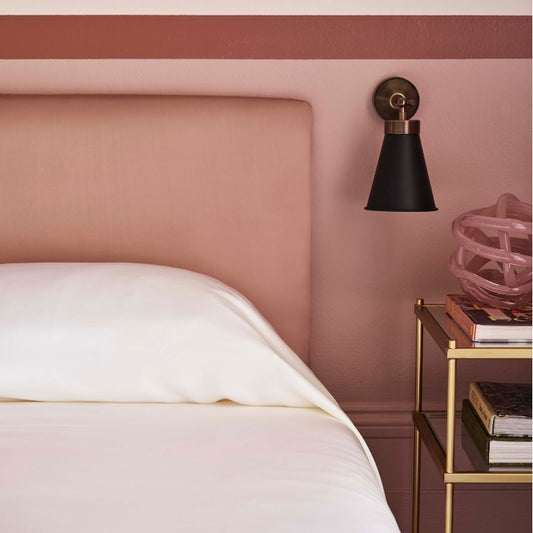
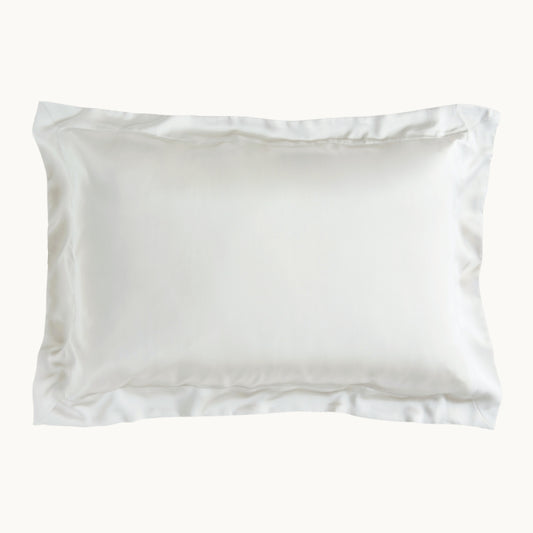
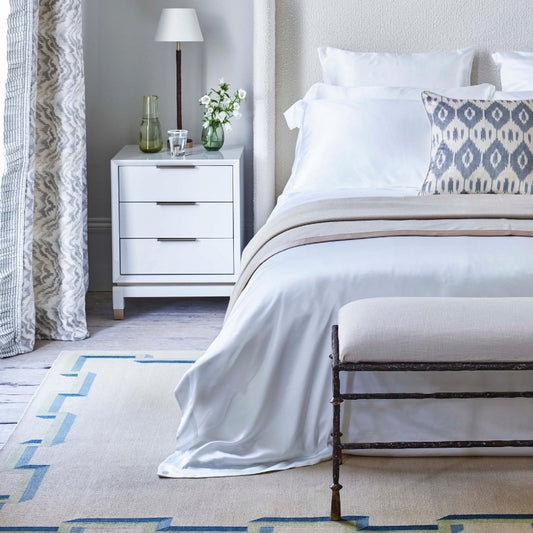
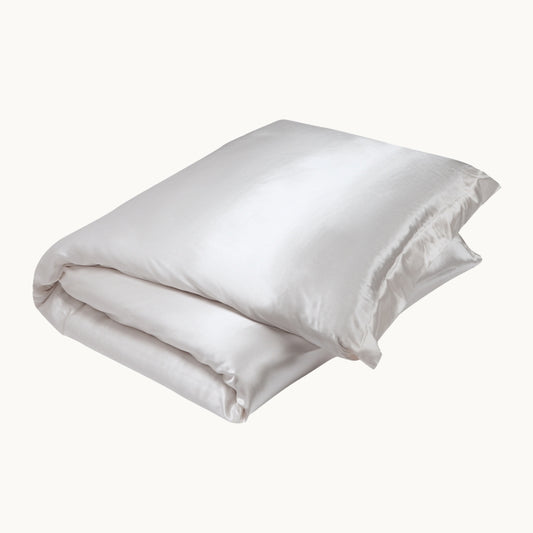
A silk pillowcase is the easiest way to bring silk into your hair routine, because it works without you having to do anything differently. Typical cotton pillowcases create friction that leads to breakage and split ends, while the smooth surface of a silk pillowcase reduces that friction, protecting your hair from damage as you sleep. Silk also has a natural structure that helps keep moisture in the hair, leaving it softer and less prone to tangles, and it stays cooler and more breathable than cotton, which can help reduce the sweat and grease that mean more frequent washes.
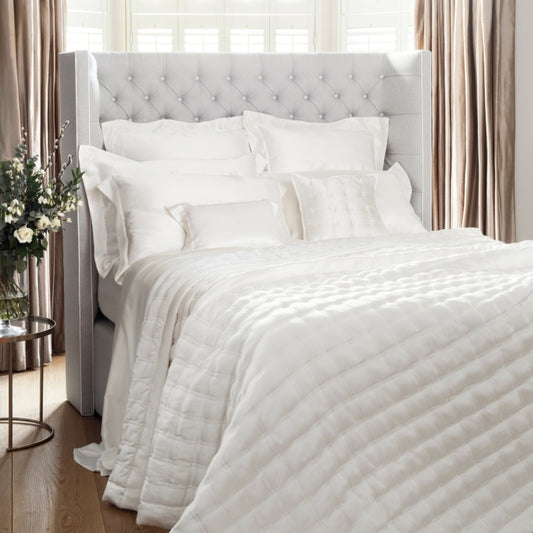
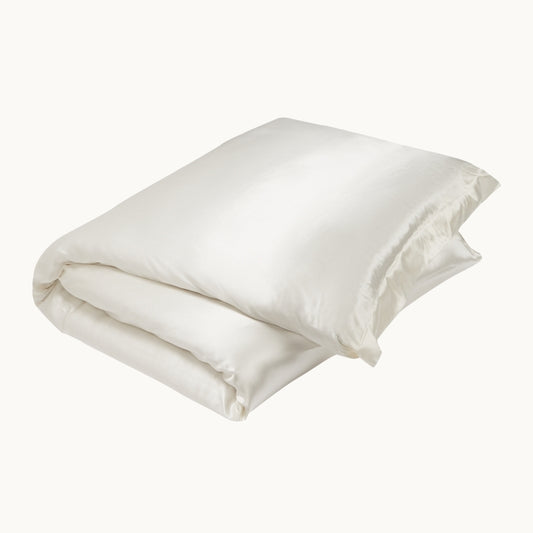
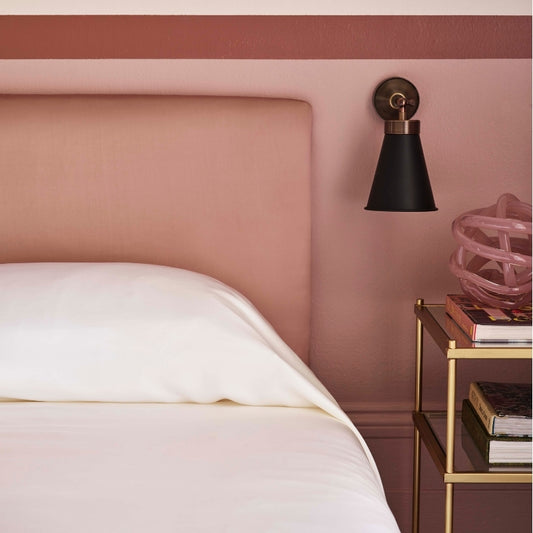
So do silk pillowcases help hair? Yes: by reducing friction and moisture loss, a silk pillowcase for hair protects your strands night after night, with no change to your routine. Silk is also naturally hypoallergenic, which makes it kind to a sensitive scalp. The same is true of silk sheets for hair, since less friction helps wherever your hair touches the bed, though the pillowcase is where most of the contact happens. For the best results, choose a genuine mulberry silk pillowcase with a momme of around 19 to 25 and, ideally, OEKO-TEX certification, which is the quality standard worth investing in.
Our mulberry silk pillowcases are made from the finest 6A grade, long-strand silk. Is silk or satin better for hair? Silk, almost always, because satin is usually synthetic and lacks silk’s natural benefits, as our guide to silk versus satin pillowcases explains.
Silk hair accessories: turbans, scrunchies and hair wraps

A silk pillowcase protects your hair where it rests, but silk hair accessories protect it wherever you move, which is why many people use both. Gingerlily’s silk hair accessories are all made from 6A grade, 100% mulberry silk.
A silk turban for sleeping wraps and protects the whole head, which is ideal for curly, coily, textured or longer hair that tangles easily. It helps shield hair from friction against the pillow, keeps moisture locked in and controls frizz, so styles last longer and hair feels smoother by morning.
A silk scrunchie is a simple daytime upgrade. Ordinary elastics grip and crease the hair, while a silk scrunchie holds it comfortably with far less friction and tension, helping to reduce the dents, breakage and snagging that standard hair ties cause. It suits fine, thick, curly or textured hair.
A silk hair wrap offers a more targeted way to protect a hairstyle overnight, keeping braids, curls or a blow-dry in place and shielded from friction. Explore the full range in our silk hair accessories collection.
Silk pillowcase or silk turban: how to choose
If you are not sure whether to reach for a pillowcase or a wearable wrap, it comes down to how much protection you want and how you sleep. A silk pillowcase is the effortless option and benefits both hair and skin, since your face rests on it too; it suits most people and every hair type, and it is the natural starting point. A silk turban or hair wrap gives more complete, targeted hair protection because it holds the hair in place all night, which particularly helps very curly, coily, textured or long hair, and anyone who moves a lot in their sleep. You do not have to choose: using a pillowcase and a turban together gives you double protection, the pillowcase caring for hair and skin and the turban keeping hair contained. You may also see silk bonnets and silk headbands mentioned elsewhere; a bonnet is simply a fuller cap version of a hair wrap, and a headband keeps hair off the face, though at Gingerlily our hair range centres on turbans, scrunchies and wraps.
Does sleeping on silk help hair growth?
This is worth answering honestly, because it is widely misunderstood. Silk does not make your hair grow, and it will not stop hair loss caused by genetics, hormones or a medical condition; no fabric can do that. What silk does is help you keep the hair you already have. By reducing the friction and breakage that snap strands overnight, silk means less hair is lost to mechanical damage, so hair is better able to reach its full length and looks thicker and healthier over time. In other words, silk supports length retention rather than growth, which is a smaller but genuine and honest benefit. If you are concerned about real hair loss or thinning, it is always worth speaking to a doctor or trichologist.
How to get the most from silk for hair
Wondering how to use silk for hair day to day? It works best as part of a simple routine. Start with a silk pillowcase for effortless, every-night protection. Swap your elastics for a silk scrunchie during the day, and add a silk turban or hair wrap at night if your hair is curly, textured, long or prone to tangling. Look after your silk with a gentle, cool wash so it keeps its smooth surface; our guide on caring for your silk makes it straightforward. Small, consistent habits are what deliver smoother, healthier-looking hair over time.
Bring silk into your hair routine
Silk really is one of the simplest changes you can make for smoother, healthier-looking hair. By reducing friction and helping your hair hold onto moisture, it protects your hair every night while you sleep, whatever your hair type. Explore our silk pillowcases to start with the easiest option, or browse our silk hair accessories to build a complete silk hair routine, and let us know if you would like help choosing the right pieces for your hair.
Related reading
Gingerlily’s Complete Guide to Mulberry Silk
Silk Protein and the Benefits It Has on Hair
How Silk Pillowcases Benefit Hair and Skin
Silk vs Satin Pillowcases: Which Is Better?
Best Pillowcases for Curly Hair