
The benefits of silk protein for hair are hard to overstate: it helps strengthen each strand, lock in moisture, reduce frizz and breakage, and leave hair smoother and shinier. Silk protein is the natural protein found in silk fibres, and you can enjoy it in two ways: as a hydrolysed ingredient in shampoos and conditioners, or, far more effortlessly, by sleeping on pure mulberry sil...

Silk protein and the benefits it has on hair
Posted on 18 September 2024The benefits of silk protein for hair are hard to overstate: it helps strengthen each strand, lock in moisture, reduce frizz and breakage, and leave hair smoother and shinier. Silk protein is the natural protein found in silk fibres, and you can enjoy it in two ways: as a hydrolysed ingredient in shampoos and conditioners, or, far more effortlessly, by sleeping on pure mulberry silk every night.
As silk specialists with over 20 years’ experience, we’ve seen first-hand how silk transforms hair. In this guide we explain what silk protein is, how it benefits your hair, and how to enjoy those benefits with little to no effort, whether through your hair care routine or simply your silk pillowcase.
Table of contents
- The benefits of silk protein for hair
- What is silk protein?
- How to incorporate silk proteins into your hair care routine
- Boost your hair while you sleep with silk bedding
- Frequently asked questions
The benefits of silk protein for hair
Silk protein strengthens hair, locks in moisture, smooths the cuticle and reduces frizz and breakage, leaving hair softer, shinier and more manageable. In short, the key benefits are:
- Strengthens hair and supports keratin, improving elasticity and resilience
- Helps retain moisture without stripping the hair’s natural oils
- Reduces frizz, tangles and breakage
- Smooths the hair cuticle for softer, shinier, more manageable hair
- Works for all hair types, from straight to curly and textured
The easiest way to enjoy these benefits is to sleep on a silk pillowcase, with no routine required. Below we look at each benefit, and how to use it, in more detail.
Silk will retain moisture and strengthen hair
Unlike many materials, silk fibres won’t strip away your hair’s essential natural oils, and the protein helps support keratin to strengthen and repair the hair. By smoothing down the hair cuticle and reinforcing each strand, it improves elasticity and adds a layer of protection against heat and styling damage. The result is hair that feels stronger, bouncier and less weighed down, for fuller, more voluminous-looking hair.
Silk protein reduces frizz and breakage
Silk’s smooth texture reduces the friction that causes tangles, frizz and breakage. Cotton pillowcases tug at the hair as you move in your sleep, but silk lets your hair glide, so you wake with your style intact and far less morning bed head. Over time, less friction means fewer split ends and less breakage, for hair that looks softer, fuller and healthier.
Silk works for all hair types
One of the biggest advantages of silk is that it suits every hair type. From straight and fine to curly, coily and textured hair, the protein helps each strand retain its natural shape while strengthening it. Because silk is smooth and non-abrasive, it’s gentle on fragile or chemically treated hair too, making it a versatile choice whatever your hair type.
What is silk protein?
Silk comes from a type of moth known as a silkworm. It is made up of two primary proteins: the fibrous protein fibroin and the sticky protein sericin. Together these form a unique structure rich in amino acids, including cysteine, the very amino acid that helps build keratin, the protein your hair is made of. This structure gives silk the health and beauty benefits it’s famed for, from being naturally hypoallergenic to temperature regulating, and it’s why silk has been valued for scientific, medicinal and cosmetic uses for centuries.
When you see silk protein listed in shampoos, conditioners and hair masks, it usually appears as hydrolysed silk protein. Hydrolysis simply means the protein has been broken down with water into a smaller, lighter form that can absorb into the hair shaft rather than sitting on top of it. It’s an effective way to top up the proteins in your hair, but it isn’t the only way to enjoy its benefits. Sleeping on pure mulberry silk delivers many of the same advantages, naturally and with no routine to maintain.
How to incorporate silk proteins into your hair care routine
Now we know the benefits, let’s look at how to use silk protein for hair day to day. Whether you lead a busy lifestyle and want an effortless upgrade, or you’re looking to add a little luxury and relaxation, enjoying silk can be as simple as going to sleep on a silk pillowcase.
Using silk hair care products
One way to add silk protein to your routine is through shampoos, conditioners and hair masks that contain hydrolysed silk protein. In this form the protein is broken down small enough to absorb into the hair shaft, helping to support keratin, lock in moisture and smooth the cuticle. Products vary from brand to brand, so a little research helps you find one that’s effective and suited to your hair type. Protein treatments are also best used in moderation rather than every day, to avoid protein build-up that can leave hair feeling stiff.
That said, you don’t need a cabinet full of products to enjoy these benefits. The most effortless route is simply to sleep on silk, which protects and nourishes your hair every night with no extra steps.
Sleeping on a silk pillowcase
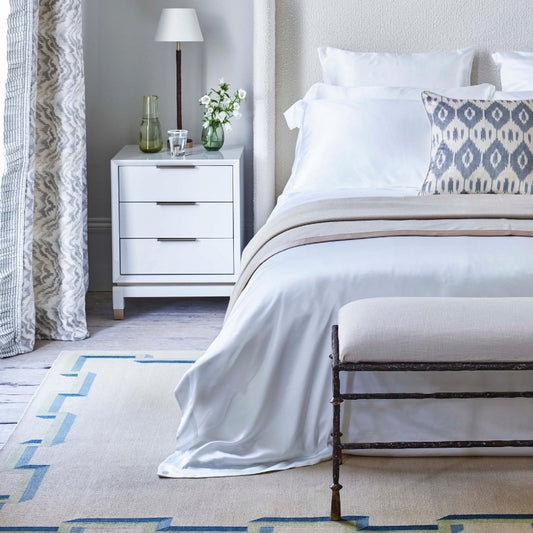
The easiest way to enjoy silk protein for hair is to invest in a silk pillowcase. It cares for your hair while you sleep with minimal effort and works for all hair types. Sleeping on silk does more than benefit your hair, too: it’s gentle on the skin, naturally hypoallergenic and wonderfully soft for an indulgent night’s sleep. You can read more in our guide to how silk pillowcases benefit hair and skin.
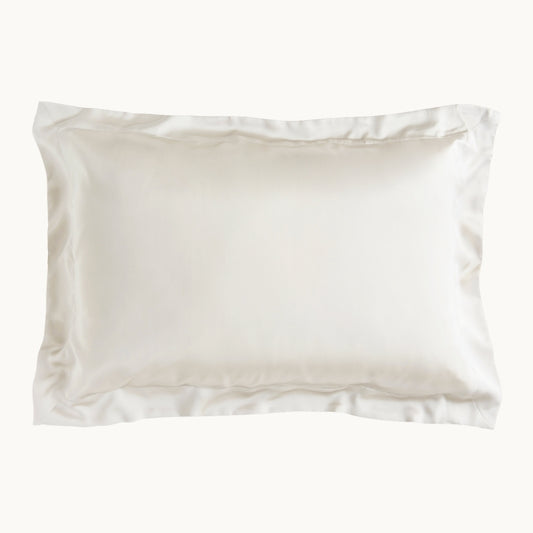
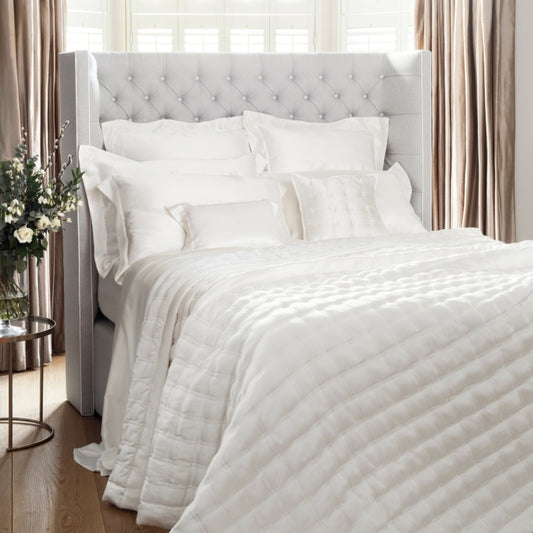
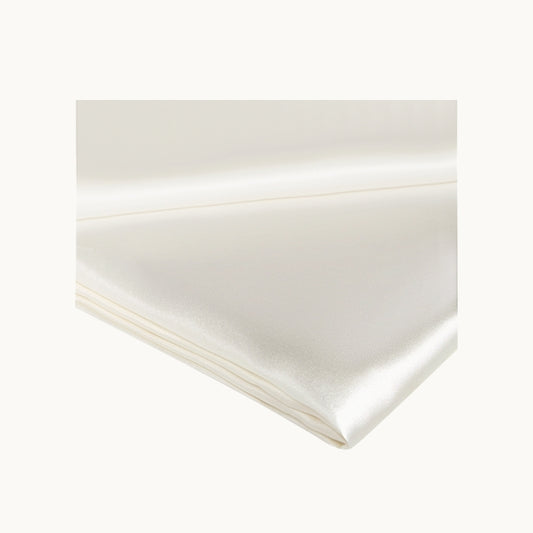
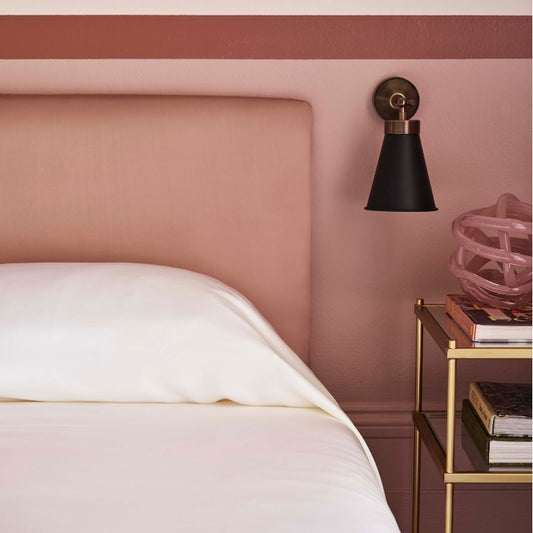
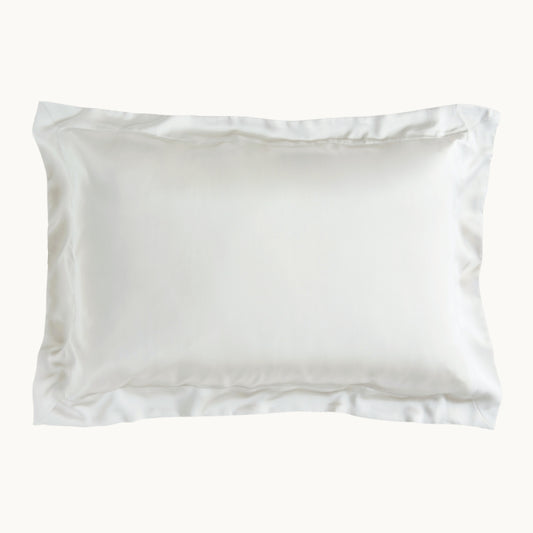
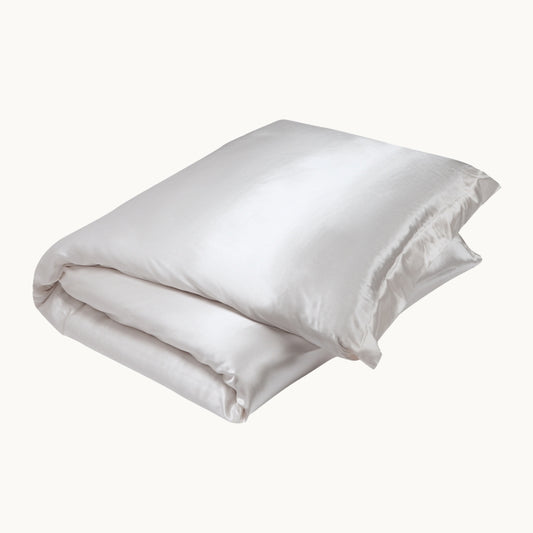
Our pillowcases are made from 100% pure mulberry silk and cradle your hair in a soft embrace, so you wake to frizz-free, detangled and smooth hair every morning. From sage silk pillowcases to ivory silk pillowcases, they’re far more than a beautiful finishing touch for the bedroom.
Invest in silk accessories
If you’re not ready for a silk pillowcase, silk hair accessories are a lovely way to experience silk for yourself. They cost less, can be worn on the go, and are an easy first step. Explore the full range of silk accessories to find what suits you.
Silk headbands are great for a natural touch-up through the day, offering the smoothing, friction-reducing benefits of silk without changing your bedding or your routine. For overnight care, a silk hair wrap protects your hairstyle and helps keep your head cool while you sleep, much like a pillowcase but in a wearable form.
Boost your hair while you sleep with silk bedding
The benefits of silk protein for hair are a natural, low-effort way to improve the strength, moisture and shine of your hair. Whether you have voluminous curls or straight locks, silk works for all hair types and can fit into your life however suits you, from a hydrolysed treatment to simply sleeping on silk.
The simplest way to start is to let silk bedding work while you sleep. Browse our full range of silk pillowcases and silk accessories to find the perfect match for your hair and lifestyle, and wake up to smoother, healthier-looking hair every morning.
Frequently asked questions
Is silk protein good for hair?
Yes. Silk protein is good for hair because it helps strengthen each strand, supports the hair’s natural keratin, locks in moisture and reduces friction, frizz and breakage. It suits all hair types and is especially helpful for dry, fine or damaged hair.
Can you use silk protein on your hair every day?
These products are best used in moderation rather than every day, as overusing protein treatments can cause protein build-up that leaves hair feeling stiff or brittle. Sleeping on a silk pillowcase, however, is gentle enough to enjoy every night.
Does silk protein help hair growth?
Silk protein doesn’t directly stimulate new hair growth, but by reducing breakage and keeping hair stronger and healthier, it helps your hair look fuller and supports length retention over time.
What is the difference between silk protein and keratin?
Keratin is the main protein your hair is naturally made of. Silk protein is a complementary protein, rich in amino acids such as cysteine, that helps support and reinforce keratin, smoothing the cuticle and improving strength and elasticity.
Is silk protein good for all hair types?
Yes. Silk protein works for all hair types, from straight and fine to curly, coily and textured. Because it’s smooth and non-abrasive, it’s gentle enough for fragile or chemically treated hair too.