
The best hypoallergenic bedding is made from naturally hypoallergenic fabrics that resist dust mites, mould and bacteria, and for most allergy-prone sleepers that means silk. As silk specialists with over 20 years’ experience, we’ve seen how the right fabric can turn a restless, itchy night into a calm one. In this guide we explain what hypoallergenic bedding is, compare every material worth considering, and show why silk comes out on top for allergy-prone sleepers, with th...

What is the best hypoallergenic bedding?
What is the best hypoallergenic bedding?
Posted on 21 December 2023The best hypoallergenic bedding is made from naturally hypoallergenic fabrics that resist dust mites, mould and bacteria, and for most allergy-prone sleepers that means silk. As silk specialists with over 20 years’ experience, we’ve seen how the right fabric can turn a restless, itchy night into a calm one. In this guide we explain what hypoallergenic bedding is, compare every material worth considering, and show why silk comes out on top for allergy-prone sleepers, with the data to back it up.
Table of Contents
- Best hypoallergenic bedding at a glance
- What is hypoallergenic bedding?
- Why bedding matters for allergies
- How the main bedding materials compare for allergies
- Hypoallergenic bedding material comparison
- How to create an allergen-free sleeping environment
- Best anti-allergy duvet
- Best hypoallergenic pillow
- Complete your silk bedding set
- Frequently asked questions
Best hypoallergenic bedding at a glance
If you only have a minute, here is how the main materials rank for allergy-prone sleepers:
- Silk: the best hypoallergenic bedding overall – naturally repels dust mites, lowest friction, temperature-regulating
- Organic cotton: breathable and widely available, but absorbs moisture
- Bamboo (OEKO-TEX certified): soft and moisture-wicking, though quality varies by processing
- Linen: cool and breathable, with a coarser feel
- Wool: naturally dust-mite resistant and temperature-regulating, can feel heavy
- Tencel: smooth and moisture-wicking, but a processed fibre
- Synthetic (polyester, microfibre): usually the worst choice for allergies
For a no-compromise option, our silk duvet, pillow and bedding sets are the easiest way to build the best hypoallergenic bedding set.
What is hypoallergenic bedding?
Hypoallergenic bedding is made from materials that reduce the risk of triggering an allergic reaction while you sleep. Typically, anti-allergy bedding refers to fabrics treated to repel dust mites, but some naturally hypoallergenic fabrics also resist mould, mildew, bacteria and pet dander, which makes them ideal for sleepers with sensitive skin, eczema or asthma. As a general rule, bedding made from synthetic fibres like polyester or acrylic is not anti-allergenic, so those with skin conditions are better suited to one of the natural fabrics below.
Why bedding matters for allergies
Allergies are far more common than most people realise. Around one in four UK adults experiences allergic rhinitis, the hay fever-style symptoms that a dusty bedroom can make worse, and your bed can be one of the biggest triggers. According to Allergy UK, house dust mites feed on the dead skin cells we shed and thrive in warm, humid bedding, and their droppings are a leading cause of perennial allergic rhinitis, eczema flare-ups and night-time asthma. An average bed can harbour thousands of these microscopic mites, and mould spores and pet dander add to the load. Hypoallergenic, or anti-allergy, bedding helps by either repelling these allergens or denying them the warm, damp conditions they need to thrive.
How the main bedding materials compare for allergies
No single fabric suits everyone, so here is an honest comparison of the materials allergy sufferers most often weigh up, from synthetic blends to pure silk.
Cotton
Cotton is the most popular bedding material because it is soft, breathable and affordable. In its purest form cotton is naturally hypoallergenic, but the rigorous processing most cotton undergoes uses synthetic chemicals that can irritate the skin, and it is often blended with polyester to cut costs, which alters its hypoallergenic status. Organic cotton avoids the harsh chemicals and keeps much of its anti-allergen quality, making it a good choice for those with allergies, sensitive skin or asthma. Its main downside is that it absorbs moisture and oils, which can feel clammy and, over time, gives dust mites the humidity they like.
Bamboo
Bamboo is another good option for allergy sufferers, as it is naturally antibacterial, antimicrobial and moisture-wicking. The catch is processing: turning bamboo cellulose into soft fabric is intensive and can involve harsh chemicals, so quality varies. Unless the bamboo is OEKO-TEX certified, organic cotton is usually the more reliably skin-friendly choice. OEKO-TEX certified bamboo avoids the harshest chemicals while still repelling dust mites, and its moisture-wicking helps regulate temperature through the night.
Linen
Linen, made from flax, is naturally breathable, moisture-wicking and resistant to dust mites, and it uses fewer chemicals in production than many fabrics. It keeps you cool, which discourages the humidity dust mites thrive in. The trade-off is feel: linen is coarser and crisper than silk or cotton, and softens only after repeated washing.
Wool
Wool is naturally resistant to dust mites and mould, antimicrobial, and excellent at regulating temperature and wicking moisture, so wool duvets and pillows suit many allergy sufferers year-round. The downsides are weight and feel, as wool is heavier and less smooth against the skin than silk, and some people find it too warm.
Tencel and Synthetic Fabrics
Tencel, a fibre made from sustainably sourced wood pulp, is smooth, moisture-wicking and gentle on sensitive skin, though it is a processed rather than fully natural fibre. Synthetic fabrics like polyester and microfibre are the weakest choice for allergies: they trap heat and moisture, encourage dust mites and can carry chemical finishes that irritate sensitive skin. If allergies are your priority, natural fabrics almost always win.
Silk
Silk is the softest hypoallergenic option of all, and the one we recommend most often. It is naturally moisture-wicking, antibacterial and antimicrobial, and it repels mould and dust mites without any chemical treatment. Because it is so smooth, silk reduces the friction that aggravates sensitive skin and hair, and it helps regulate body temperature so you stay comfortable through the night.
Silk also naturally contains amino acids that support healthy skin, and very few people react to it. The honest trade-offs are price and care, as silk is the most expensive option because it is labour-intensive to produce, and it needs gentle washing. For allergy-prone sleepers who want the best, those trade-offs are usually worth it, which is why silk tops our list.
Hypoallergenic bedding material comparison
The table below summarises how each material performs against the factors that matter most for allergies.
|
Material |
Dust-mite resistance |
Moisture-wicking |
Feel / friction |
Temperature |
Best for |
|---|---|---|---|---|---|
|
Silk |
Excellent (natural) |
Excellent |
Smoothest, lowest friction |
Regulating |
Allergy-prone sleepers wanting the best |
|
Organic cotton |
Good (if pure) |
Moderate |
Soft, breathable |
Cool |
Everyday, budget-friendly comfort |
|
Bamboo (OEKO-TEX) |
Good |
Excellent |
Soft |
Cool |
Hot sleepers wanting softness |
|
Linen |
Good |
Good |
Coarser, crisp |
Very cool |
Hot, humid sleepers |
|
Wool |
Excellent (natural) |
Good |
Heavier, less smooth |
Warm, regulating |
Cold sleepers, year-round duvets |
|
Tencel |
Moderate |
Good |
Smooth |
Cool |
Eco-conscious, sensitive skin |
|
Synthetic |
Poor |
Poor |
Variable |
Traps heat |
Generally avoid for allergies |
How to create an allergen-free sleeping environment
Choosing the best hypoallergenic bedding is the biggest step toward anti-allergy bedding that actually works, but a few habits make it far more effective. Allergy UK recommends washing bedding weekly at 60 degrees, the temperature that kills house dust mites rather than just rinsing the allergen away. Use a breathable mattress protector and pillow protector to create a barrier against allergens. Keep bedroom humidity between 30 and 50 per cent, as dust mites thrive in damp air, and ventilate the room regularly. For minor, friction-based irritation, switching to silk pillowcases and duvet covers is often enough on its own. For more complex sensitive skin issues, we would recommend investing in a full silk bedding set to protect your skin from the triggers that disrupt sleep.
Best anti-allergy duvet
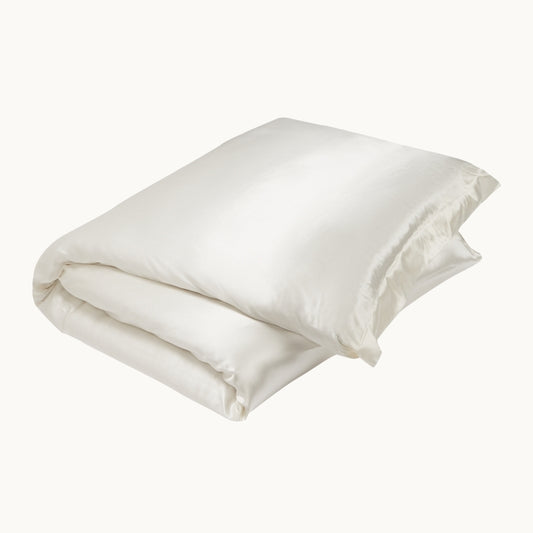
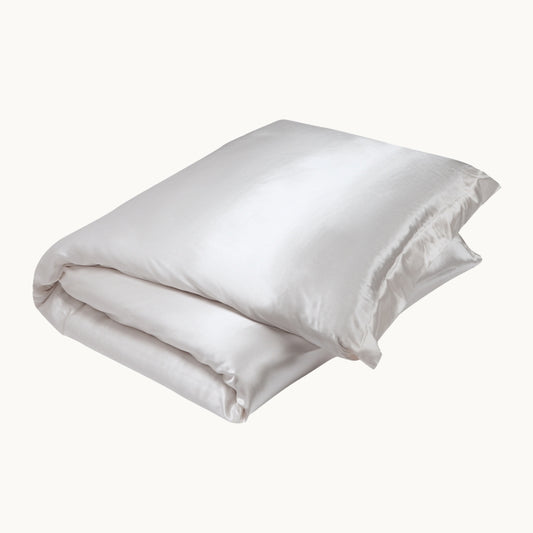
The Gingerlily 100% silk-filled and silk-covered duvet uses only the highest-grade mulberry silk, with a long-strand silk floss filling inside a pure silk casing. This gives full protection against bacteria, mould, dust mites and other allergens, while the soft feel reduces friction across the whole bed. Unlike polyester, a common duvet filling, silk insulates without trapping heat and draws sweat away from the body, so it keeps you comfortable whether you run hot or cold and leaves dust mites nowhere damp to settle.
Best hypoallergenic pillow
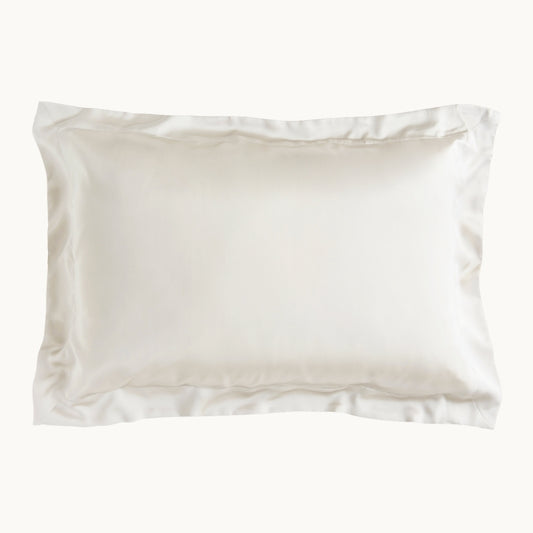
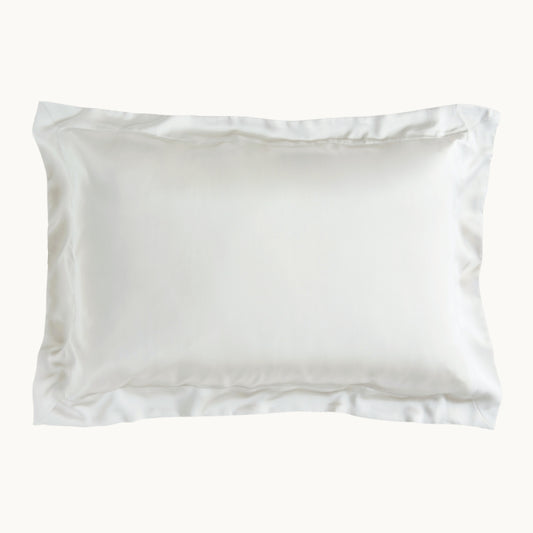
A silk duvet is best paired with a silk-filled pillow. Like the duvet, it has a silk floss filling and a pure silk casing. Because silk does not absorb the heat or oils from your hair, the pillow protects your skin against bacteria and minimises the friction that causes irritation and creasing, helping to elevate your sleep quality night after night.
Complete your silk bedding set
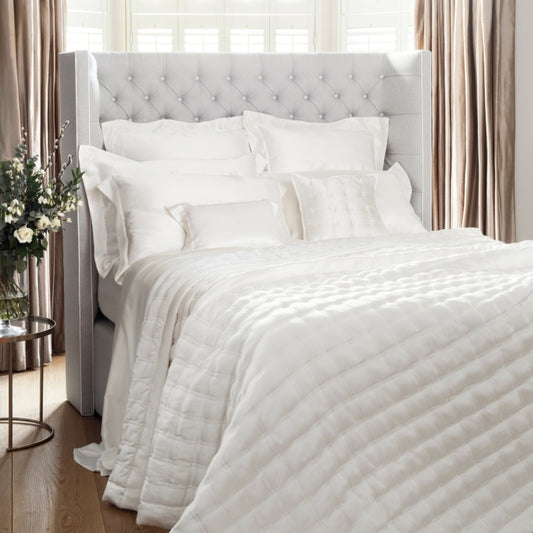
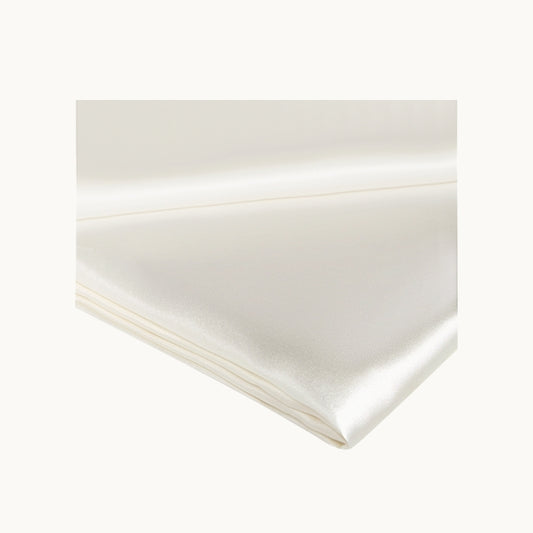
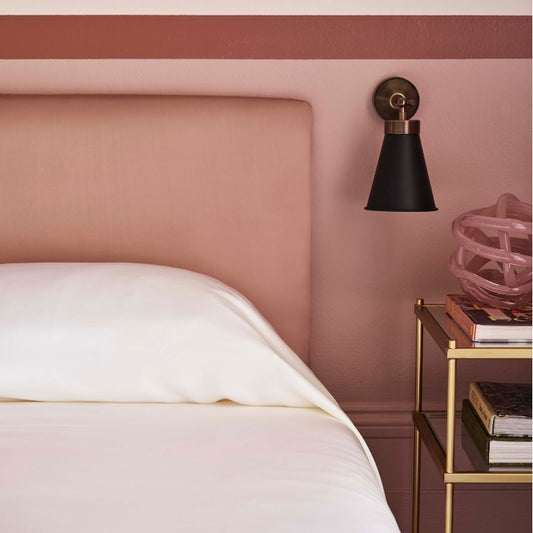
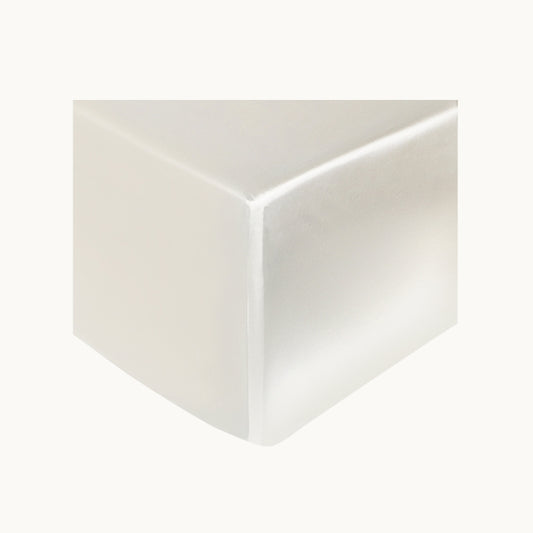
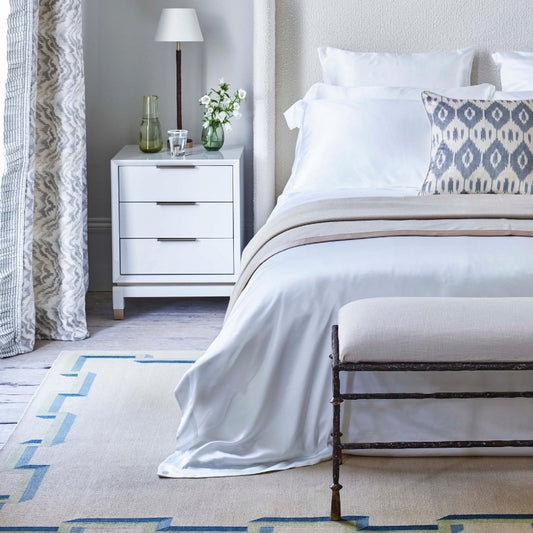
To minimise the risk of a reaction as much as possible, keep your duvet and pillow encased in a silk bedding set. At Gingerlily we offer a wide range of opulent styles and colours to suit your interior. For a calm, tranquil space we would suggest the Summerhill Blue collection, a serene blue with a white border inspired by the views of the Ashdown Forest. The collection includes fitted sheets, flat sheets, duvet covers and pillowcases, so you can build a complete silk hypoallergenic bedding set from top to bottom.
Discover luxury hypoallergenic bedding at Gingerlily
Pure silk is the simplest way to sleep comfortably without worrying about allergens and irritation, and the most complete hypoallergenic option for sensitive sleepers. Being kind to your skin does not stop at the bed, either: we also offer silk accessories including eye masks, nightwear and headbands that are gentle on the most delicate skin. Discover how silk can help you sleep better with Gingerlily.
Frequently asked questions
What is the best bedding for allergies?
The best bedding for allergies is made from a naturally hypoallergenic fabric that resists dust mites, mould and bacteria. Silk, wool, linen, bamboo and organic cotton all qualify, but silk combines allergen resistance with the lowest friction and natural temperature regulation, which is why it is our top choice for allergy-prone sleepers.
Is silk good for allergies?
Yes. Silk is naturally hypoallergenic, repelling dust mites, mould and bacteria without chemical treatment. It is also smooth and temperature-regulating, which reduces the irritation and overheating that disturb sensitive sleepers, making it one of the best hypoallergenic bedding materials available.
Is cotton or bamboo better for allergies?
Both can be good if they are unprocessed or certified. Organic cotton is reliably skin-friendly and breathable but absorbs moisture, while OEKO-TEX certified bamboo is moisture-wicking and naturally antibacterial. Uncertified bamboo can involve harsh chemicals, so for guaranteed purity organic cotton is the safer pick.
What bedding is best for a dust mite allergy?
Naturally dust-mite-resistant fabrics with a tight weave and a sensible thread count are best, paired with mattress and pillow protectors and weekly washing at 60 degrees. Silk and wool naturally resist dust mites, which makes them strong choices for anti-allergy bedding.
Related Guides:
- Gingerlily’s Complete Guide to Mulberry Silk
- Silk Duvets vs Down Feather Duvets
- How Silk Pillowcases Benefit Hair and Skin